We Have Solutions! – Episode 29: News and App Roundup
Today is a short, news and app round-up episode. We look at some recent assistive technology news, new apps for learning math, a low-cost text-to-speech alternative, and a whole lot of scholarship opportunities across New Brunswick and Canada.
The Math Learning Center App Suite
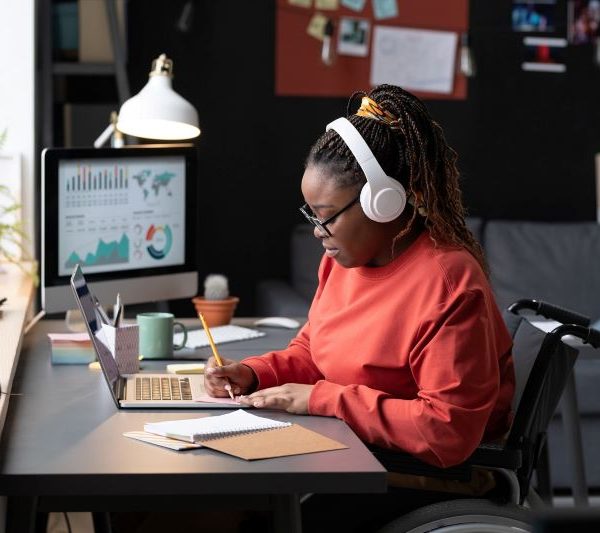
We’ve tested a variety of Math apps in the past and generally these apps focus on one or two functions or features. Today we are going to look at a collection of math learning apps that cover a wide variety of math topics. And while the mobile versions are available for iOS only, the web version of each app can easily be opened or installed on any operating system.
The Math Learning Center offers a suite of completely free math apps and activities for students from pre-K to grade 5. The best way to access this collection is by going to www.mathlearningcenter.org/apps. From there, you can navigate the various apps and activities that are available.
Speech Central AI Voice Reader

We’ve discussed a few different text-to-speech apps in the past, and while there are plenty of great choices for iOS users (Voice Dream Reader is a perfect example) many of those apps, including the one we just named, are not available for Android. So, in an attempt to identify some suitable text-to-speech alternatives for Android, we are going to look at an app that IS available for Android users.
Speech Central AI Voice Reader is a text-to-speech app that offers users a full app experience for free, with the caveat that the free version of the app limits your daily usage. And unlike many other apps that offer their pro versions on a subscription basis, Speech Central Pro is available for a more reasonable one-time purchase fee of $12.99 CDN.
New Funding Opportunity for Fredericton Youth: Neil Squire AT Fund

Neil Squire has created a new funding opportunity for persons with disabilities in the Fredericton area.
The Neil Squire AT Fund was created to help support youth from grades one through twelve in acquiring new or refurbished assistive technology. Students from all types of school environments are encouraged to apply. This includes public, private, and home schools.
This fund will support households with a $75,000 or less annual household income and will be limited to a maximum of $1,000 in funding for each household.
We Have Solutions! – Episode 28: Back to School 2024
School is starting once again, and on today’s episode we’re going to explore some brand-new apps, strategies, and technologies that we think would be especially useful to students in particular.
MindNode: An Accessible Mind Map Tool

The 2024-2025 school year is upon us, and we have plenty of new, accessible apps to review. If you have any suggestions or ideas about apps or products that you’d like us to cover, please send us an email at ta-atsupport@neilsquire.ca. We’ll even create one-pagers to explain specific app tools or functions by request. To see an example of some previous one-pagers that we’ve created, click here.
Today we are going to look at a mind mapping app. This relatively new tool is designed to help you visualize and organize your ideas in a digital space. And while the concept of mind mapping isn’t new in itself, the digitization of this concept is fairly new, and it has some great benefits for persons with disabilities.
Notion: AI-Powered Productivity
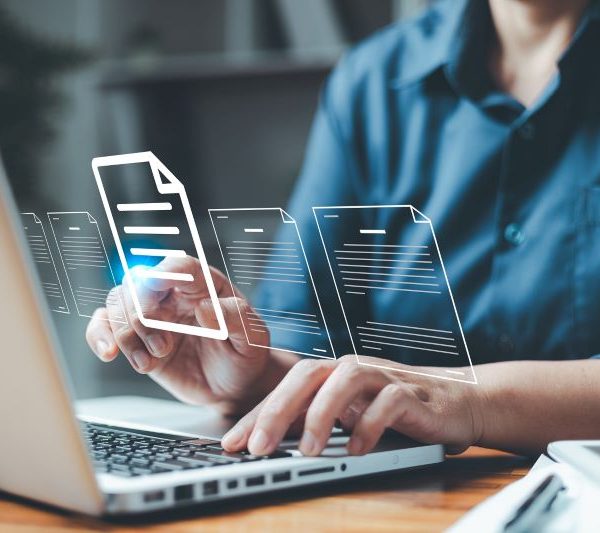
Today we are going to look at a relatively new productivity app that shows a lot of promise. It’s not exactly novel or unique, but it offers a ton of productivity tools in one package, and it does a great job of pulling these tools together into one very useful package.
Notion is a notetaking and project-management tool that allows you to create notes, documents, to-dos, wikis, and more, and it does so with the help of a built-in AI assistant.
We Have Solutions! – Episode 27: New Tech From MIT, Successes and Failures in AI, and an Accessible Controller Review
On today’s episode we dive into some exciting new technology from MIT, look at some past failures and successes in the world of AI, and we review what might just be the most accessible gaming controller ever made.
Jora Singh’s Assistive Technology App Design Earns Top Accolades at National Science Fair
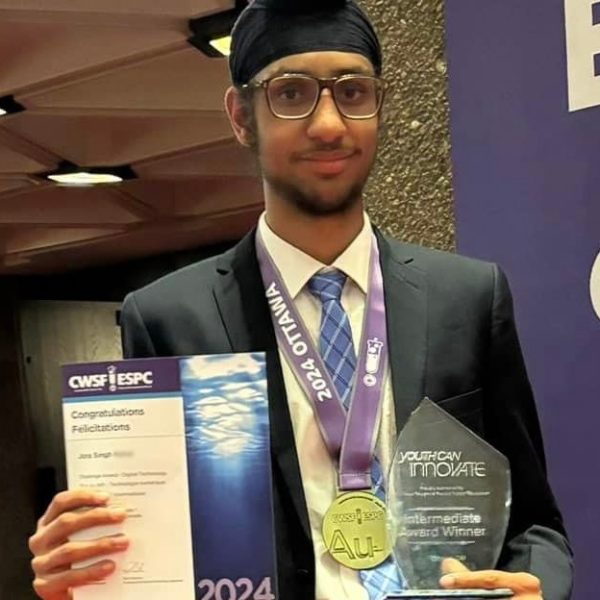
During the COVID pandemic, Jora Singh found himself spending many more hours on the computer — his classes initially moved online, he had started to teach himself how to code. After a while, he noticed he was having wrist pain and back pain from the long hours at the keyboard. He started thinking of solutions.
“I have a huge passion for science, and I’ve been doing science fair projects since I was in grade four,” says Jora Singh, who recently finished grade nine.
This led to him developing a hands-free app for using your computer, DeviceABLE. Developed over the last year using his self-taught coding skills, DeviceABLE allows you to use head and facial movements to move your cursor, as well as use an onscreen keyboard. There’s also a voice feature for people who can’t use as much neck or head movement.
Ins & Outs of Assistive Technology: Built-in Windows Functions
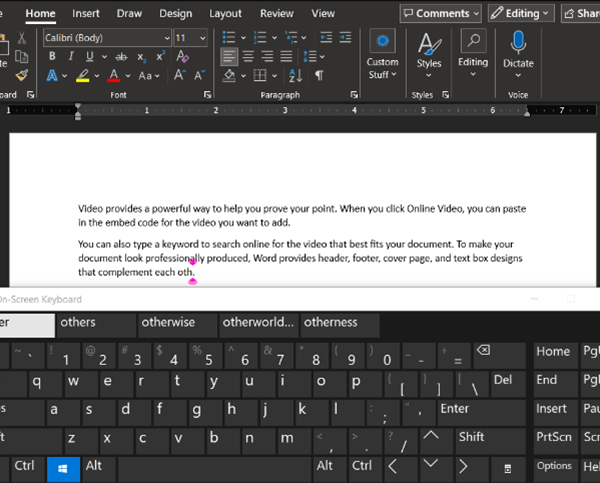
For individuals with physical disabilities, accessing a computer often presents challenges, particularly with using a keyboard or mouse. Depending on the user, one of these devices might be easier to handle than the other. Tools that allow functions to be transferred between the keyboard and mouse can significantly improve accessibility, independence, and efficiency. While there are numerous external tools designed to enhance keyboard and mouse functionality—many originating from gaming or programming contexts—let’s start by exploring the built-in features of Windows.