Neil Squire Prairie Region Donates Assistive Technology Kits for Students With Disabilities Across Saskatchewan
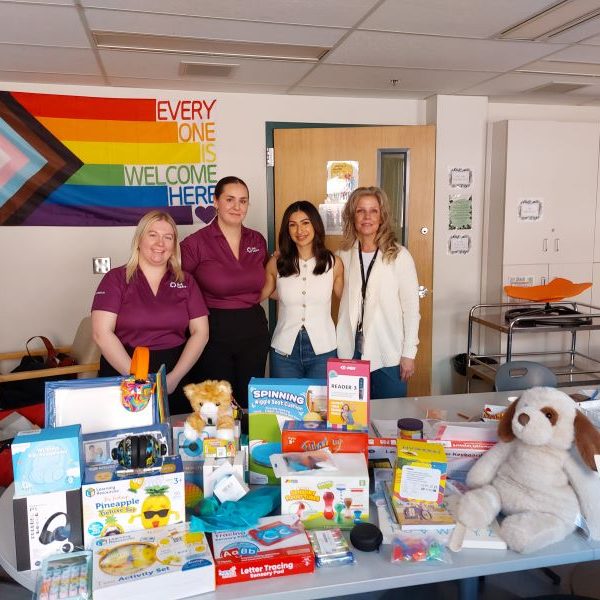
With funds raised by our sixth annual Princess Ball, our Prairie Regional Office has donated four Assistive Technology Resource Kits — each containing upwards of $1,800 worth of specialized assistive technology — to support students with disabilities at Regina General Hospital and Ronald McDonald House Saskatchewan through our Solutions for Schools initiative.
Over the past several weeks, our Prairie Region Solutions team, Amanda LaRose and Chelsea Osiowy, have been hard at work. From researching and planning to carefully selecting tools, building kits, and delivering them into the community, their focus has been on one goal: creating meaningful, accessible learning opportunities for students who need them most.
These Assistive Technology Resource Kits are now supporting hospital classrooms and community programs across Saskatchewan. These kits represent access, inclusion, and the ability for students to participate more fully in their education.
This year, these kits were delivered to three classrooms at Regina General Hospital, as well as to families and youth supported through Ronald McDonald House Saskatchewan. These environments play a vital role in supporting students during complex and often challenging times, and we are honoured to contribute to making learning more accessible within them.
“We are absolutely blown away at your generosity and donations to the unit,” shares hospital school teacher Kasiani Parisone (pictured in the photo above, second from the right). “Each item donated is truly something that will be very purposeful in our classrooms. There were things I was already able to put to good use.
“Thank you will never be enough. You have made a great impact on our hospital school classrooms with your presence and donations. We will definitely be sharing info with many of our patients and families going forward. What an amazing resource and place,” she continues. “Forever grateful and in awe of the work you are doing at the Neil Squire Society.”
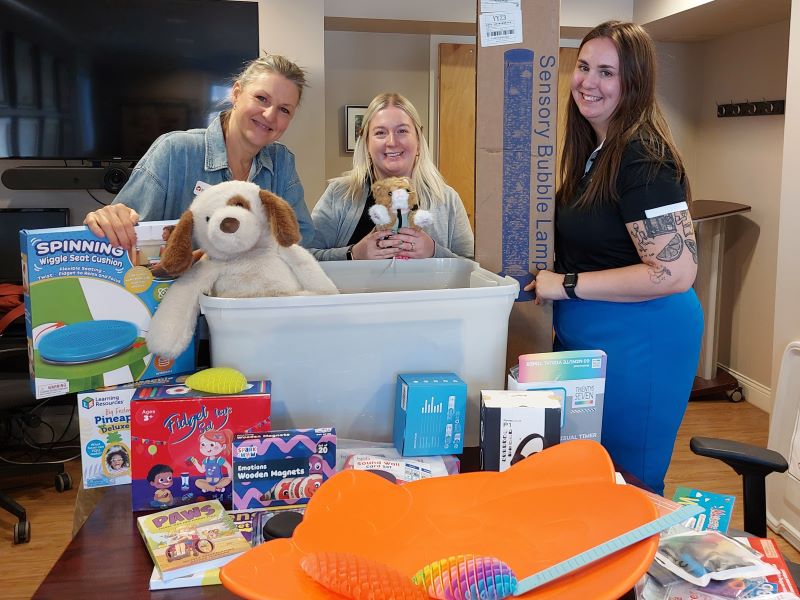
This work was made possible through the generosity of everyone who supported this year’s Princess Ball. Funds raised were directly invested into creating these kits, helping bring practical, impactful resources into learning environments that support youth with disabilities.
Each kit is a thoughtfully curated collection of both high-tech and low-tech tools designed to support accessibility, participation, and student success. They are flexible, adaptable, and designed to be used across classrooms, grade levels, and diverse learning environments.
Schools and community programs can use these kits to:
- Support students with individualized and adaptable assistive solutions
- Equip teachers and staff with tools to better meet diverse learning needs
- Increase participation, independence, and engagement
- Trial different supports to determine what works best before making longer term decisions
To ensure the kits meet a wide range of needs, they were developed around key areas of support:
- Mobility, Fine Motor and Dexterity
- Sensory and Self Regulation
- Reading and Writing
- Math
- Vision
- Hearing
- Speech and Phonics
Many of the tools span multiple categories, making them highly versatile and effective for a variety of students and settings. These kits are designed to be shared resources, encouraging collaboration between educators, therapists, and support staff to find the best possible supports for each learner.
In addition to building and distributing the kits, Amanda and Chelsea provide in depth, hands-on training to the teachers and resource staff who will be using them every day. They walk teams through each item, demonstrate how tools can be used in real classroom scenarios, and answer questions to ensure staff feel confident and supported.
This training is a critical part of the program. We are committed to making sure these tools are used effectively and meaningfully, not left sitting on a shelf. By empowering educators with the knowledge and confidence to use assistive technology, we are also helping them guide and support their students in learning how to use these tools independently. The result is not just access to equipment, but increased confidence, skill development, and long-term impact for both staff and students.
Through our Solutions for Schools initiative, we are working to strengthen inclusive education in a practical and lasting way. This means providing tools, building capacity within school communities, and helping ensure that every student has the opportunity to fully participate in their learning.
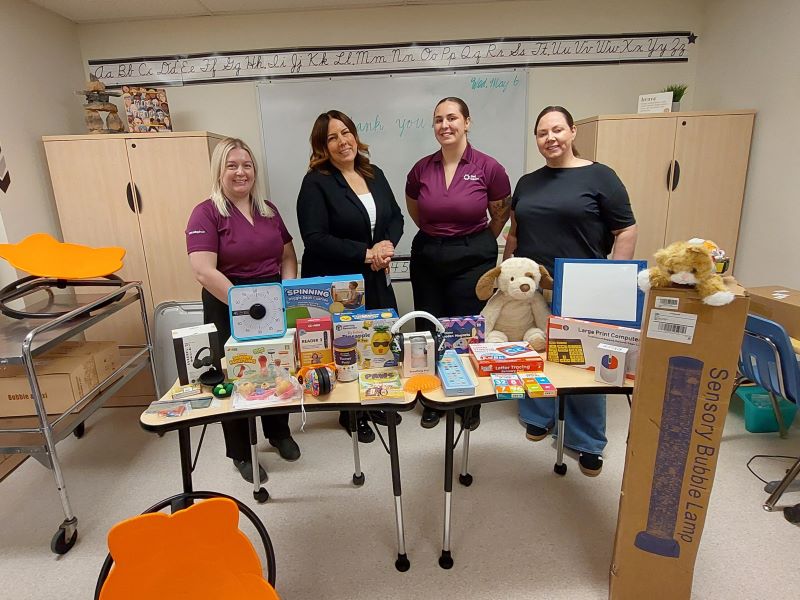
“You made our day! I want to thank you again for your time and effort in making today happen. We are so grateful for the amazing tangible support you have given us and our community of learners. Your classroom kits exceeded our expectations,” shares hospital school teacher Heather Lewis (pictured in the photo above, second from the left).
“We have already put some of the equipment to good use and look forward to enhancing our time with the students we are privileged to serve. The technology will be most helpful time and time again.”
“Thank you again for the generous donation of assistive technology resources for our hospital school program,” shares hospital school teacher Leslie Chapman (pictured on the right). “I really appreciated receiving the resource list and seeing the range of supports you’ve provided. These tools will make a meaningful difference for our students by helping them stay connected to learning, build independence, and access school in ways that better meet their individual needs during a difficult time.”
To everyone who attended and supported the Princess Ball, thank you! You are helping remove barriers and build more equitable access to education for youth with disabilities across Saskatchewan.
Putting Notetaking Apps to the Test: A Three-Author Experiment

In this article, we’re doing something a bit different. Rather than our typical content that is normally written by a sole author (Seaver), we’ve invited our colleagues Rebekah and Louise to help us test out and give their thoughts on a variety of notetaking apps across a variety of devices.
Each of us will review three apps, and then we will give our opinions on what works, what doesn’t, where each app shines, and where each app struggles. We will be reviewing OneNote, Granola, Notability, Goodnotes, CollaNote, Mindgrasp, Genio (formerly Glean), Otter.ai, and Coconote. To test these apps, we will be using a wide variety of devices and tools, including laptops, iPads, iPhones, Microsoft Edge, and the Logitech pencil.
Inq Smartpen: Powerful on Paper, Rough Around the Edges
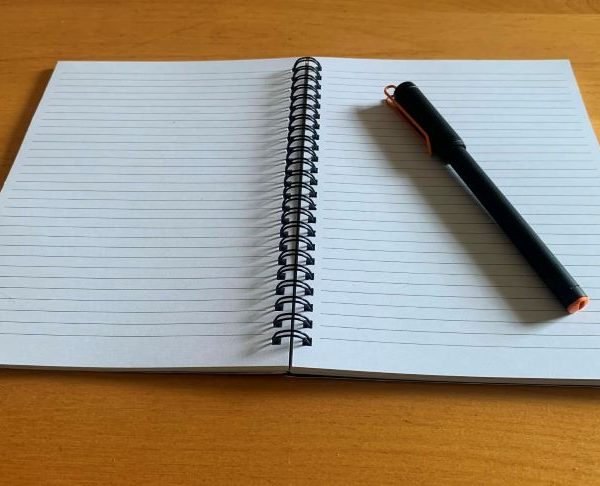
The inq smartpen is designed to bring note taking, audio recording, and analysis into a single workflow. From my experience, it handled most of those core tasks well. However, I experienced enough hiccups along the way to say that my experience with this pen was not exactly perfect.
We Have Solutions! – Episode 44: Accessible Elections with Karine Pitre from Elections NB
Today, we are talking about accessible tools and services available to New Brunswick voters for the upcoming municipal elections! Joining us today is Karine Pitre from Elections NB. This discussion is being released in both French and English. To listen to the English version of the podcast, go to Amazon Music or Spotify.
Clever: Homework Helper AI
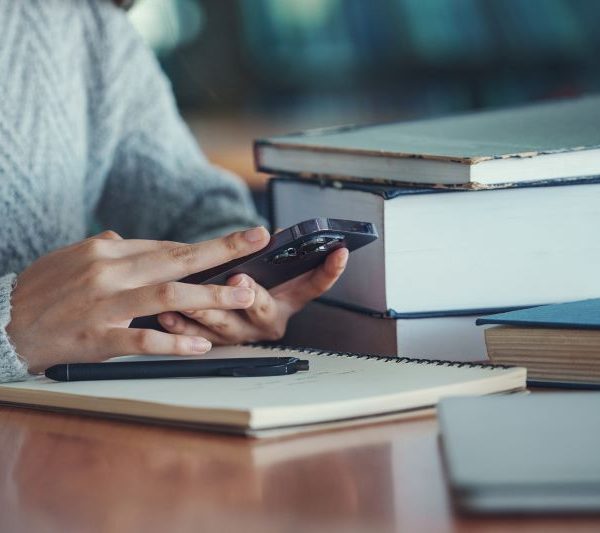
Clever: Homework Helper AI is an AI-powered study app designed to support students with homework completion, revision, and content creation. Available on iOS, it brings together a range of tools that aim to simplify how learners interact with course material, particularly when working independently.
The core of the app is its ability to scan or upload homework questions or notes using your device’s camera or photo library. Once captured, the app analyzes the content and generates responses along with explanations. This can be especially helpful for students who need quick clarification or support outside of the classroom.
We Have Solutions! – Episode 43: iOS 26 Accessibility Overview
In the latest episode of the “We Have Solutions” podcast, our AT Help Desk team does a complete overview of all the accessibility features that iOS 26 has to offer.
Listen on Amazon Music or Spotify. We also have a new episode of our French language podcast.
How to: Enable and Use Chromebook Accessibility Tools
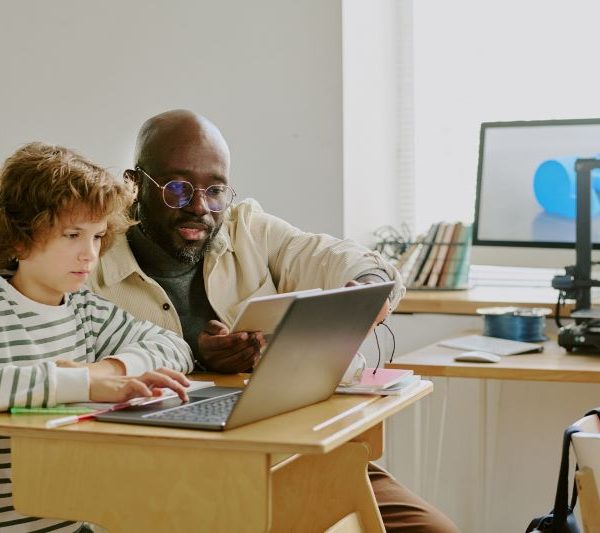
Chromebooks are great educational tools due to their small size, low price, and general ease of use. They also come packed with accessibility features. In this guide, we’re going to look at how to enable and use these features, as well as provide users with some handy keyboard shortcuts.
SymbolStix Prime: An AAC App by Everway
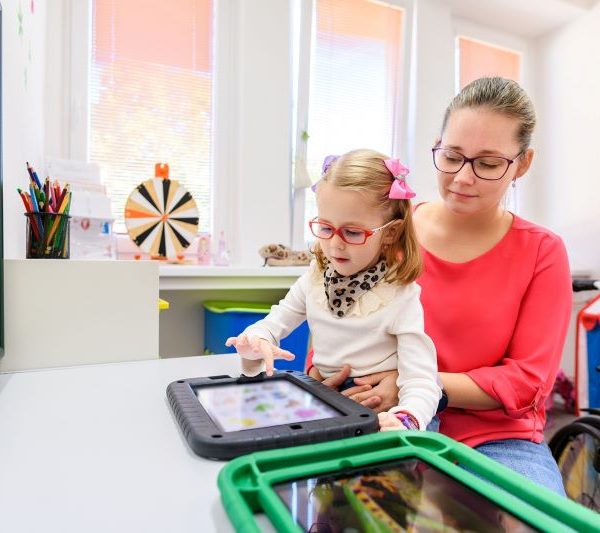
Augmentative and alternative communication (AAC) apps are great tools for students with speech, language, and communication difficulties, autism, as well as for students with a variety of mobility challenges. These apps have also become much more common in recent years, where 10 years ago dedicated AAC hardware was much more common. Among the growing number of AAC apps available today, SymbolStix Prime stands out for its focus on symbol-supported communication and accessible language supports.
News2you: An Accessible News App
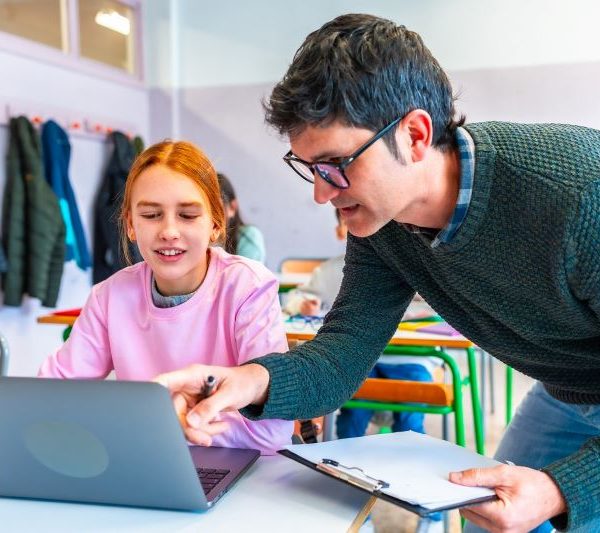
For many students with diverse learning needs, traditional news sources can present significant barriers. News2you, developed by Everway, addresses this challenge by delivering accessible, curriculum-connected news content designed specifically for students who benefit from additional literacy and communication supports.
We Have Solutions! – Episode 42: AT Summit, Legere Reader, and the 1X NEO
In this episode of our AT Help Desk podcast, “We Have Solutions,” Seaver Stafford is joined by Nakia Singh. They talk about the AT Summit, Legere Reading App, and the 1X NEO home robot.
Listen on Amazon Music or Spotify.

 |
| 400 – 3999 Henning Drive |
| Burnaby, BC V5C 6P9 |
| 604 473 9360 | 1 877 673 4636 |
| solutions@neilsquire.ca |
| Refer today |
|
|
 |
| 400 – 3999 Henning Drive |
| Burnaby, BC V5C 6P9 |
| 778 945 1215 |
| hearingsolutions@neilsquire.ca |
| Refer today |
|
|