

Home Office Ergonomics Part 2

Before you begin, if you haven’t read part 1, please click here. This series is written by: Alain Désir, MSc.Erg.(Enr NB).
You will want to maintain your wrists at a natural angle when typing. Your hands should be as straight as your forearm when typing. To assure a proper wrist angle, collapse the keyboard legs so that the keyboard lays flat on the table. Use a palm rest if you have one. If not, roll a medium towel to make a DIY palm rest.
Home Office Ergonomics Part 1

During the Covid-19 pandemic a lot of people will be working from home due to the mandated quarantine measures. Most home teleworkers will have to spend hours a day working on their computers and telephone, but they will not have the proper furniture and equipment to reduce the risks of developing muscular skeletal injuries due to improper body positioning and biomechanics.
Neil Squire’s Katrina Tilley Named CAOT-BC’s Outstanding Occupational Therapist of the Year
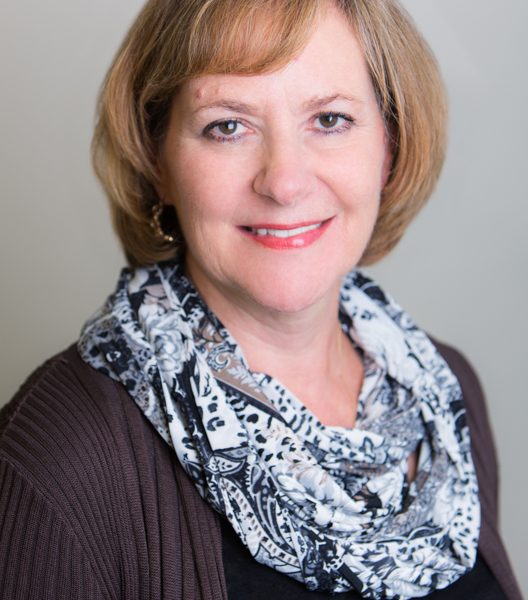
Neil Squire is thrilled to share the news that Occupational Therapist, Katrina Tilley, has been named the CAOT-BC’s Outstanding Occupational Therapist of the Year.
COVID-19 Update

A message from Gary Birch, Executive Director, Neil Squire
March 13, 2020
We want to reassure you that we are closely following the latest developments of COVID-19. Our priority is ensuring the health and safety of our participants, clients, staff, their families, and the greater community.
At this time, our programs and services remain open for business.
We continue to follow the latest guidance from the BC Ministry of Health, the BC Centre for Disease Control, the Public Health Agency of Canada and the World Health Organization.
Look, Cook, and Eat
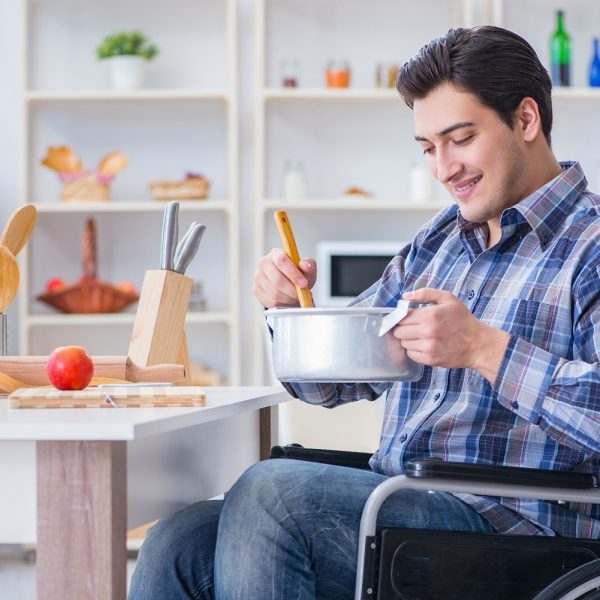
Good nutrition is a significant but often overlooked aspect of health, and studies have shown that healthy eating has a significant impact on an individuals physical and mental well-being. In fact, the study linked above asserts that “…nutrition services and programmes for children and adults can act as entry points to address and, in some cases, avoid or mitigate disability”. Of course, the challenge is, when physical or learning disabilities affect an individual’s independence, it becomes that much harder to maintain good nutrition and stay in good physical and mental health.
Alissa Roseman

Alissa Roseman, MScOT, OT
Occupational Therapist
Alissa Roseman completed her Master’s of Science in Occupational Therapy at McGill University in 2013. Alissa’s past occupational therapy experience includes working in public health care in a variety of settings, including acute care and mental health facilities, providing assessment, program development, specialized seating solutions, and other equipment to promote participation, function, and overall well-being. Through both her professional work as an occupational therapist and volunteer work in adaptive outdoor pursuits, Alissa has been consistently inspired by how ever-evolving assistive technology can break down barriers, enable independence, and empower clients to participate in meaningful activity.
Our Team
Please visit our team page to view our team.
Get Involved! Make an Impact!
Please give now to the Neil Squire Society to support Canadians with disabilities through employment, digital literacy, and innovation. Every gift makes an impact.
Facebook Live

 Tune into Neil Squire Society’s Facebook Live event at 10:30am PST on November 15th to find out how we are changing lives One Technology at a Time. #PoweredToEnable #LIFTpartners.
Pretty Office Furniture Isn’t Enough
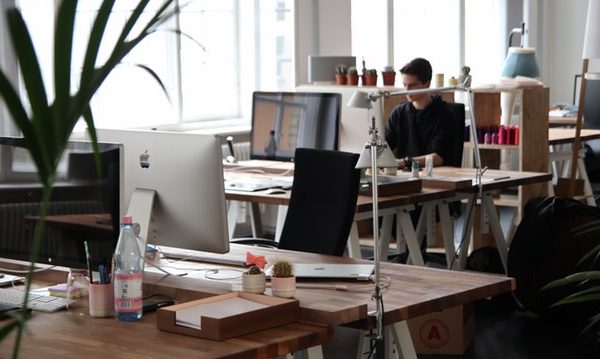
The best posture is the next posture, said Gene Kay, director of ergonomics, VelocityEHS, during the presentation “Understand and Resolve Your Complex Office Evaluation Requests,” at the 2018 National Ergonomics Conference & Ergo Expo. Office furniture and equipment vendors flooded the exposition floor with beautifully crafted office desks made of metal, aluminum, wood, and even plastic. And, the sea of chairs in delicious fabrics and textures make even those least interested in design bat their eyes. But, as we know, looks only go so far. What Kay reminded us, no matter how pretty the equipment, functionality and adjustability are most important. Does it accommodate the 25th percentile female and the 95th percentile male? Does it promote movement? If your answer is “no,” you may be at risk of developing a musculoskeletal disorder.