
Desmos Interactive Math Platform

For many students, especially those with learning disabilities, math can sometimes feel rigid and downright unapproachable. This is probably at least partially because math has traditionally been taught in a more conventional, pen-and-paper format. More and more though, school districts are turning towards digital math apps, since these apps allow students more flexibility in how they approach a particular math problem. Today we are going to look at one of such apps.
Desmos is a free, web-based mathematics platform that is designed to offer alternatives means of mathematical expression through interactive tools, visual representations, and hands-on exploration. With a collection of calculators and learning resources, Desmos provides students and educators with opportunities to explore mathematical concepts in ways that go beyond traditional worksheets and textbooks.
One of the platform’s most popular features is the Desmos Graphing Calculator. This tool allows users to enter equations, plot points, create tables, and explore mathematical relationships through interactive graphs. Students can experiment with different values, manipulate variables, and see how changes affect a graph in real time. This can be particularly helpful for students who have difficulty understanding abstract mathematical concepts, as it provides a visual way to explore relationships and recognize patterns.
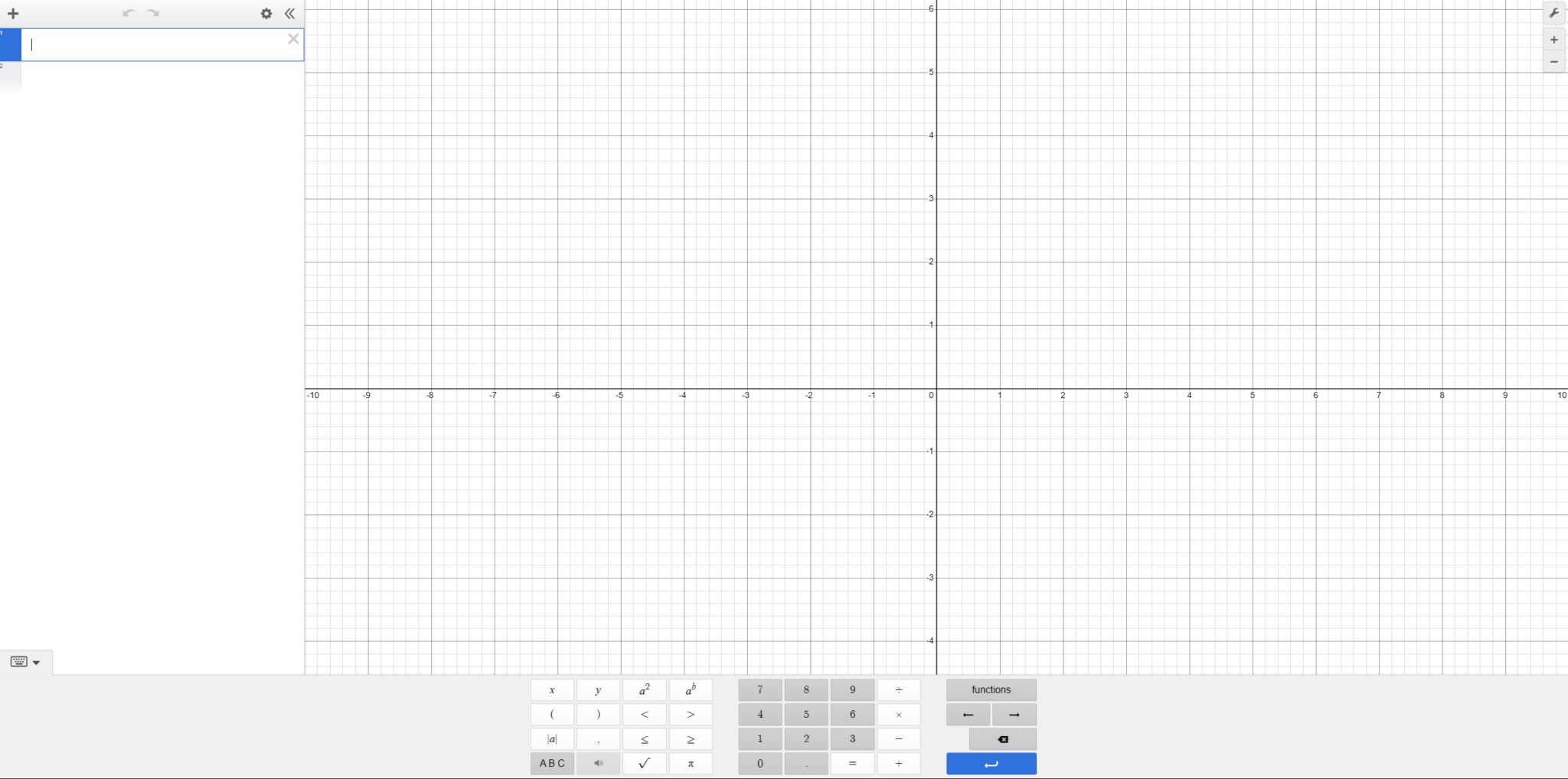
Desmos also offers a Geometry Tool, Scientific Calculator, Four Function Calculator, and 3D Graphing Calculator. These tools can support a range of mathematical topics, from basic calculations and geometric constructions to more advanced algebra and functions. Educators can also incorporate Desmos classroom activities into their lessons, giving students opportunities to work through problems, investigate concepts, and demonstrate their understanding.
From an assistive technology perspective, Desmos offers several features that can help make mathematics more accessible for students with disabilities. Keyboard navigation allows users to access most features without relying on a mouse, which can benefit individuals with physical or motor challenges. For students with visual impairments, screen reader compatibility, alt text support, spoken mathematical expressions, and support for refreshable Braille displays provide alternative ways to access mathematical information.
Another particularly interesting accessibility feature worth noting is Audio Trace. This feature uses sound to represent the shape and movement of a graph, allowing students to explore mathematical relationships through audio rather than relying exclusively on visual information. This is an incredible innovation that could have further applications within the realm of mathematics and accessibility in general. Who knows? Audio representations of traditionally visual concepts could be the next big thing in accessibility and even perhaps have implications within the wider world of mainstream technology!
Desmos is available for free via browser. To learn more, click here.
This post originally appeared on the AT Help Desk website.
Tags: apps, assistive technology, AT HelpDesk, Atlantic Regional Office